When you’re using a vehicle regularly, wear and tear is inevitable. When you’re using a vehicle for business purposes, this can become an almost immediate concern. Everyday use combined with the high mileage seen by many business rental vehicles means fair wear and tear can come quickly.
When you hire a vehicle for business use this can complicate things. After all, if the vehicle takes excessive wear or damage it can seriously shorten the vehicle’s lifespan, and this means hire companies need to be vigilant about unacceptable wear.
If you’re planning to hire a business vehicle, this prospect could be a worry. But it shouldn’t be. We think business hire should be an affordable, more manageable alternative, and the stress of potential wear and tear costs shouldn’t stop you embracing this option.
So we’ve put together this post discussing what is considered fair wear and tear on a hire vehicle. We’ll answer the most commonly asked questions, and consider your potential concerns including examples of what constitutes fair wear, as well as how you need to maintain it to avoid any issues.
But we’ll start with the biggest question, everyone needs to know the answer to.
What is acceptable wear and tear on a hire vehicle?
The industry standard for hire vehicles in the UK is the British Vehicle Rental and Leasing Association (BVRLA) guidance on fair wear and tear. This is defined as expected deterioration to the vehicle caused by normal usage.
Additional damage caused by a specific event or series of events, such as impact, negligent acts, harsh treatment or inappropriate stowing of items, is not covered. If you use your hire vehicle responsibly, you shouldn’t need to worry, but it is important not to mistreat it or take unnecessary risks when using it.
If you hire from us, we can give you access to the BVRLA fair wear guide so you can get an exact example of the standards.
We also take into account the fact that business hire vehicles are naturally exposed to a more intense workload, and assess acceptable wear and tear accordingly.
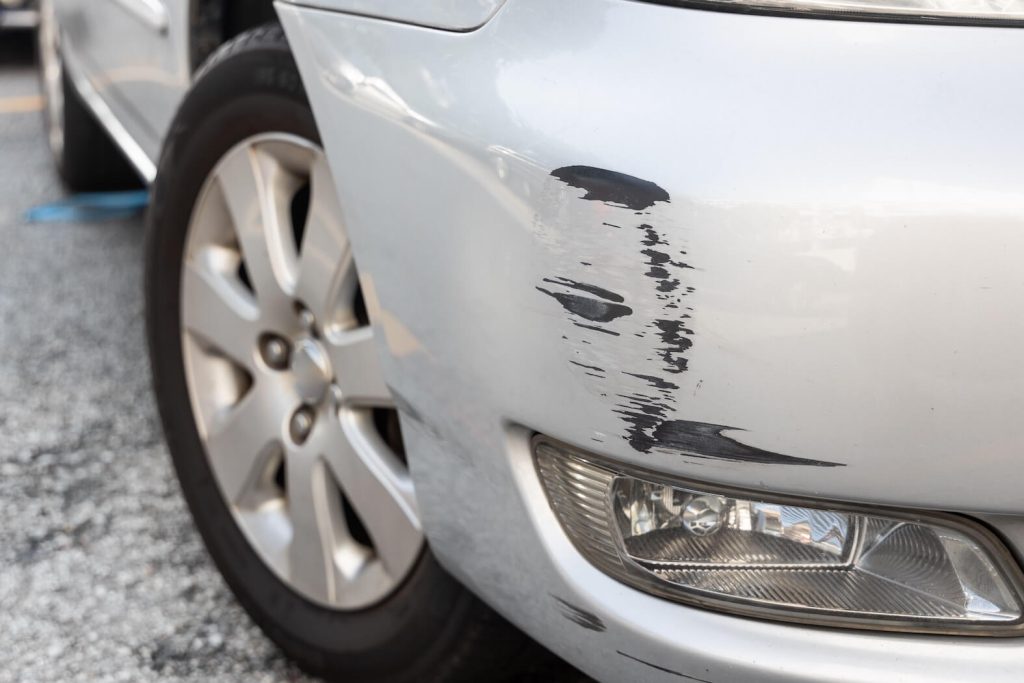
What are examples of wear and tear?
Fair wear and tear on a long-term business hire vehicle includes:
- light scratches that are less than 25mm, which can easily be removed by mechanical polishing
- mild tyre wear (that doesn’t exceed UK legal requirements)
- light staining or fading to the driver’s seat, depending on the length of the hire
- a small amount of scuffing
- light damage to the sills caused by normal loading processes
Examples of unacceptable wear and tear include:
- damage that affects the functioning of any vehicle parts, like doors or windows
- excessive tyre wear
- dents to the bodywork bigger than 20mm
- damage that has gone beyond the paint surface and left bare metal exposed
- holes in the body work or loading floor (with a hired van)
These standards apply to private hire vehicles and business hire vehicles alike.
Is a scuffed alloy wear and tear?
Scuffs to alloy wheel trims might count as fair wear and tear, but it depends on how big they are. If the scuff is less than 25mm, it would be considered fair wear and tear, as that is a noticeable (and costly) damage to the car.
Is a windscreen chip fair wear and tear?
According to the BVRLA guidelines, the size and position of a windscreen chip will determine if it’s classed as fair wear and tear or not.
If the chip is more than 10mm in size and sits within the driver’s line of vision, it is considered damage and a charge will be made for a repair. But if it’s outside of that area and under 40mm, it will be classed as acceptable deterioration.
Who pays for repairs on a lease car?
If your hire vehicle gets damaged beyond the definition of reasonable wear and tear, you will be charged the cost of repairs. For this reason, some people choose to get repairs done before returning their vehicle – this means you can get a quote you feel comfortable with.
However, be aware that any repairs you have carried out do need to be of a high standard. If not, you can end up damaging the car instead and still needing to pay repair costs to get it finished.

Who pays for damages to the tyres on a hire car?
If the tyres on your hire car get damaged beyond normal wear, unfortunately, you will need to pay to fix or replace them. This includes slow punctures and flat tyres.
If you do need to change the tyres on your hire vehicle, you need to make sure your replacement tyres are of a high enough standard. They need to meet or exceed the UK Tyre Standards for tread depth.
How clean does a car need to be at the end of a lease?
A certain level of cleanliness is also expected when you return a hired car. The easiest way to make sure this is achieved is by getting the car valeted, but that isn’t the only way.
You should make sure the interior of the car is clear of dirt, rubbish and personal items. A thorough vacuum, plus wipe down of the surfaces, is usually enough – shampooing the seats or carpets shouldn’t be necessary unless you’ve had a major spillage or damage.
For vehicles like commercial vans, the cab and the load space should be cleaned. Again, you don’t need to worry about scrubbing out the cargo area, but you should hoover or sweep it out to remove loose dirt or debris.
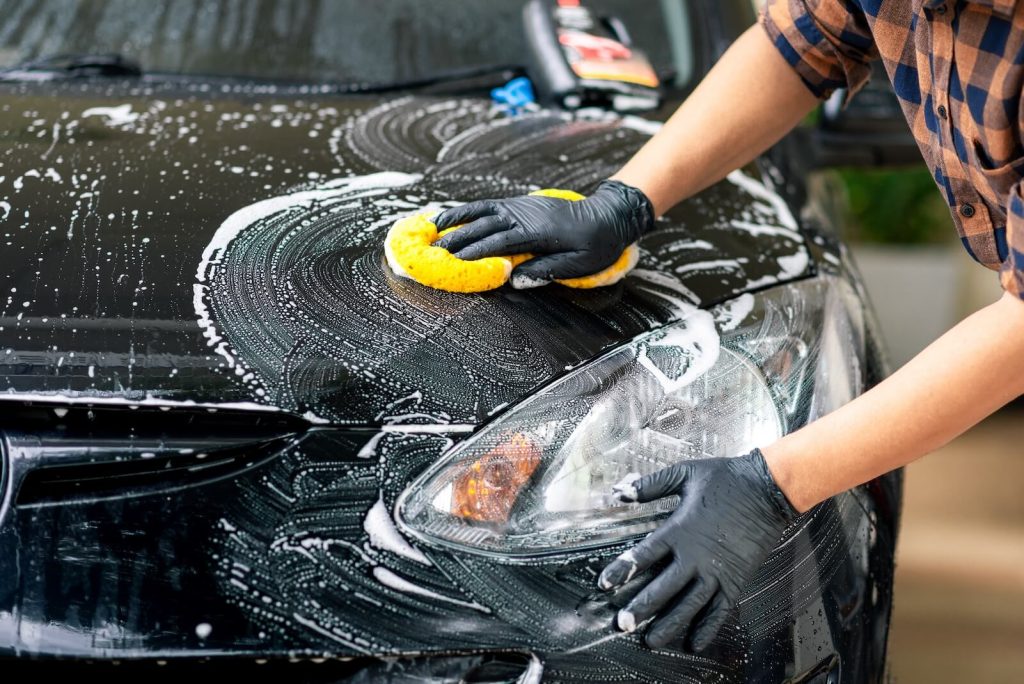
The exterior body of the vehicle should be fully cleaned, too. It’s a good idea to get this done by hand, as it tends to be safer for the paintwork of a vehicle than going through an automated car wash.
Having your business rental vehicle deep-cleaned also gives you the perfect opportunity to check the car for damage that was previously hidden by grime or dirt. Take some time to go over the body looking for anything that exceeds the wear and tear guidelines listed above, so you aren’t surprised when you return your car
What is fair wear and tear on a rental vehicle?
Over time, a vehicle’s condition deteriorates. This is inevitable, and no hire company should expect you to return their vehicle in the exact same condition you received it, except in the case of short-term loans.
With Paulls, we pride ourselves on giving our customers excellent service, so we are fully transparent on what acceptable wear and tear is. Hopefully, this blog post has given you plenty of information, but our team will always take the time to make sure you know what is expected before you drive away.
Contact us today for answers to any other questions you may have, or to find out more about our business vehicle hire.
